About the Ansonia “Savoy” Clock
Title: Ansonia “Savoy” Clock Model: A Collector’s Guide
The Ansonia “Savoy” clock, produced by the renowned Ansonia Clock Company between 1895 and 1917, is a captivating mantel clock that graced many Victorian-era homes. This clock model is not only known for its aesthetic appeal but also for its exceptional craftsmanship and mechanical precision.
The “Savoy” clock typically features a richly ornamented case made of mahogany, walnut, or oak, with intricate carvings that include floral designs, acanthus leaves, and delicate scrollwork. The top of the case often showcases a finely detailed frieze and a beveled glass dome covering the dial.
What makes the Ansonia “Savoy” clock particularly collectible is its unique combination of style and functionality. Its design, inspired by the opulent Savoy Theatre in London, mirrors the grandeur of the late 19th century while offering exceptional timekeeping accuracy. Notable features include a 30-hour weight-driven movement, a chime striking mechanism on the hour and half-hour, and a dial adorned with Roman numerals and intricate gold-leafed hands.
The Ansonia “Savoy” clock represents a significant chapter in American horology and is highly sought after by antique clock collectors worldwide. Its combination of exquisite design, superior craftsmanship, and historical significance make it an essential addition to any collection focused on the Ansonia Clock Company or American Victorian-era clocks.
Auction Records and Price History
The following 1 auction record(s) show actual sale prices for the Ansonia “Savoy” model clock. Prices vary based on condition, originality, and current market demand. Search for more records on AntiqueClocksPriceGuide.com.
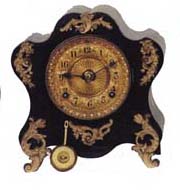
Ansonia Clock Co. enameled iron, “Savoy”, ca 1904.
8 day, half hour gong strike, bright metal dial, painted numbers remains clean Iron case is 9 inches wide by 9 3/4 inches high, verde bronze ornaments, backdoor needs to be soldered to the case All original and correct Ly-AnsoniaNo.1025
Sold: $161 | Date: January, 2002 | Source: Horton’s Antique Clocks