About the Ansonia “Torry” Clock
The Ansonia “Torry” clock, crafted by the renowned Ansonia Clock Company between 1895 and 1916, is a striking example of American clockmaking artistry. This exquisite mantel clock belongs to the category of decorative table clocks, designed to grace homes with both functionality and elegance.
The “Torry” clock’s case is predominantly crafted from rich mahogany, a popular choice for its warmth and durability during the late 19th century. The design embodies the Victorian aesthetic with intricate carvings, floral motifs, and an ornate brass dial, adding a touch of opulence to any space.
What sets the Ansonia “Torry” clock apart as a collectible piece is its unique combination of style, craftsmanship, and historical significance. The clock features a three-weight movement, indicating its precision and reliability. Notable features include the open-faced dial with Roman numerals, a decorative finial, and a hood that provides shelter to the pendulum.
The “Torry” clock’s popularity among collectors stems from its rarity due to limited production numbers and its excellent condition preservation over time. As with any antique, condition plays a significant role in determining its value. A well-maintained Ansonia “Torry” clock is a cherished addition to any antique collection, offering a glimpse into the grandeur of Victorian America’s craftsmanship and design.
Auction Records and Price History
The following 1 auction record(s) show actual sale prices for the Ansonia “Torry” model clock. Prices vary based on condition, originality, and current market demand. Search for more records on AntiqueClocksPriceGuide.com.
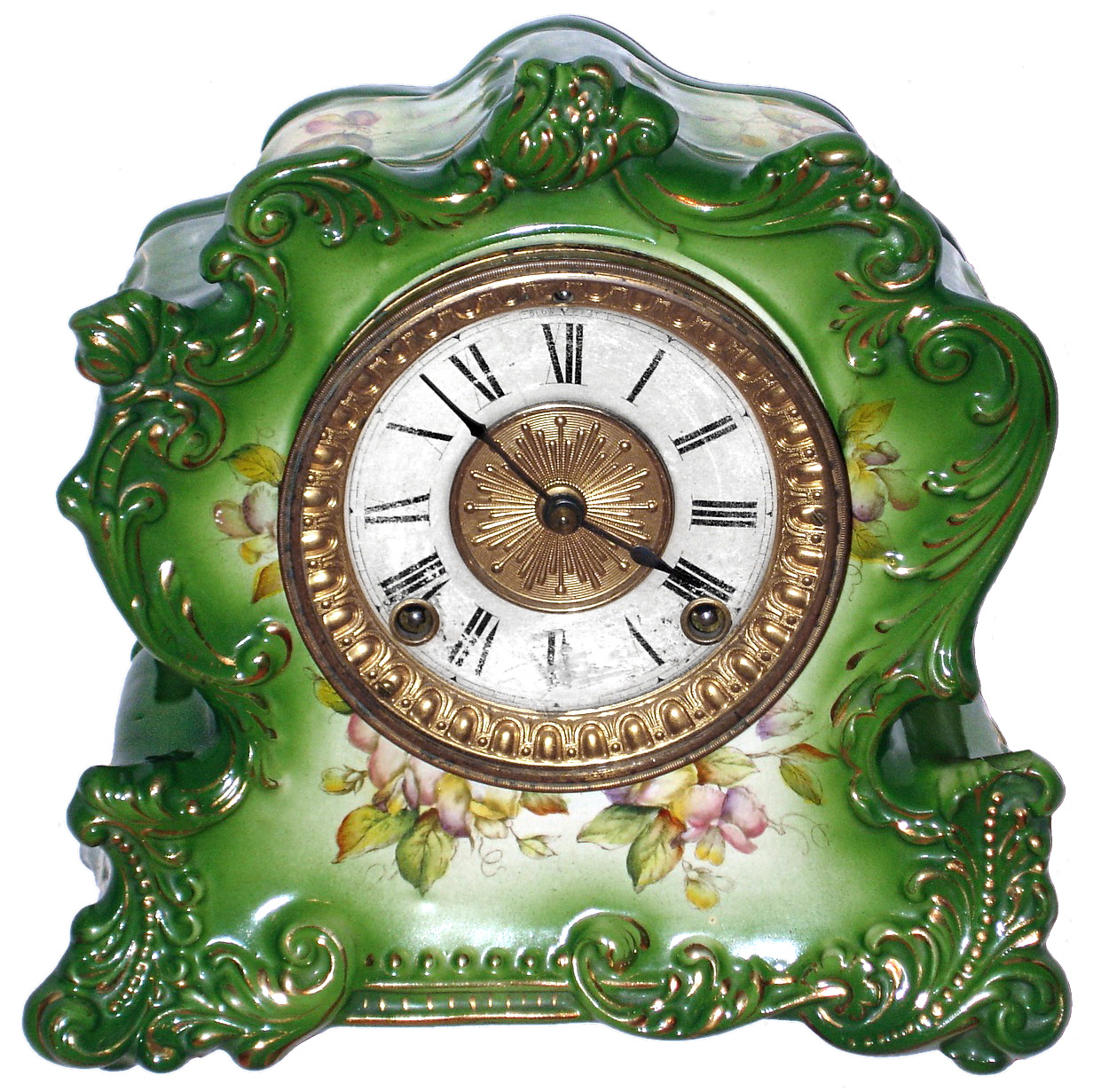
Ansonia Clock Co., New York, NY, “Torry”, 8 day, time and strike, porcelain mantel clock, c1900
we do not see this model in Ly, but it is named on the back and the movement is signed. The floral painted case, with its gold accents, is in fine undamaged condition, but the paper dial is worn. Ht 10″
Sold: $120 | Date: October 28, 2012 | Source: R. O. Schmitt Fine Arts