About the Ansonia “Salta” Clock
The Ansonia “Salta” clock, a masterpiece from the esteemed Ansonia Clock Company, is a mantel clock that graced homes between the late 19th and early 20th centuries. This period, known as the Victorian Era, saw an explosion of creativity in American clockmaking, and the Salta is no exception.
The Salta clock is renowned for its intricate and elegant design. The case, primarily crafted from mahogany or walnut, showcases a unique combination of styles that blend the opulence of the Victorian era with the novelty of early 20th-century innovation. The clock’s case often features intricate carvings and inlays, further emphasizing its exquisite craftsmanship.
What makes the Ansonia “Salta” clock a coveted item among collectors is its combination of aesthetic appeal and mechanical ingenuity. The clock features a distinctive ‘salta’ or ‘jumping’ motion, where the hour hand leaps forward one hour at a time instead of moving continuously. This unique mechanism, combined with its stunning design, sets the Salta apart from other mantel clocks of the era.
Notable features of the Ansonia “Salta” clock include its eight-day movement, which requires winding once every week, and its beautifully crafted dial, often adorned with Arabic numerals and intricate detailing. The clock’s pendulum, a testament to the precision engineering of the time, swings from a finely decorated bob.
In collecting the Ansonia “Salta” clock, one not only acquires a piece of historical craftsmanship but also a conversation-starting novelty item that is sure
Auction Records and Price History
The following 1 auction record(s) show actual sale prices for the Ansonia “Salta” model clock. Prices vary based on condition, originality, and current market demand. Search for more records on AntiqueClocksPriceGuide.com.
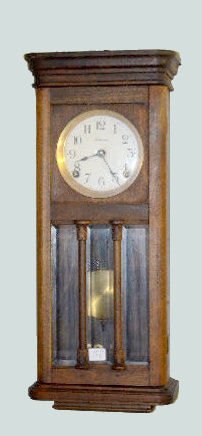
Ansonia “Salta” Miniature Box Clock
With an 8 day T&S movement; a signed porcelain dial; the pendulum and key. Not tested. 18 3/4″ Tall
Sold: $95 | Date: Feb 01, 2014 | Source: Tom Harris