About the Ansonia “Kobe” Clock
Title: Ansonia “Kobe” Clock Model: A Collector’s Guide
The Ansonia “Kobe” clock model, a testament to the Ansonia Clock Company’s craftsmanship and design prowess, is a mantel clock that graced households during the late 19th century, specifically from around 1890 to 1920.
Characterized by its distinctive case materials and design, the Kobe clock often features a richly-toned walnut or mahogany wood exterior, adorned with intricate carvings that exhibit an Oriental influence, reflecting the popular Japonaiserie style of the era. The clock’s base is typically decorated with delicate floral patterns and dragon motifs, while the dial displays a beautifully crafted, ornate border.
This model is highly collectible due to its aesthetic appeal, rarity, and the prestige associated with Ansonia Clock Company. The “Kobe” clock stands out among other mantel clocks for its unique fusion of Eastern and Western design elements, making it a sought-after piece by antique clock enthusiasts.
Notable features of the Ansonia “Kobe” clock include its 8-day movement, which requires winding every few days to keep the timepiece running, and its high-quality brass pendulum bob. The clock’s dial often features Arabic numerals and a subsidiary seconds dial, adding to its antique charm.
The Ansonia “Kobe” clock is not only an exquisite example of American craftsmanship but also serves as a fascinating piece of history, showcasing the influence of global styles on American design during the late 19th century.
Auction Records and Price History
The following 5 auction record(s) show actual sale prices for the Ansonia “Kobe” model clock. Prices vary based on condition, originality, and current market demand. Search for more records on AntiqueClocksPriceGuide.com.
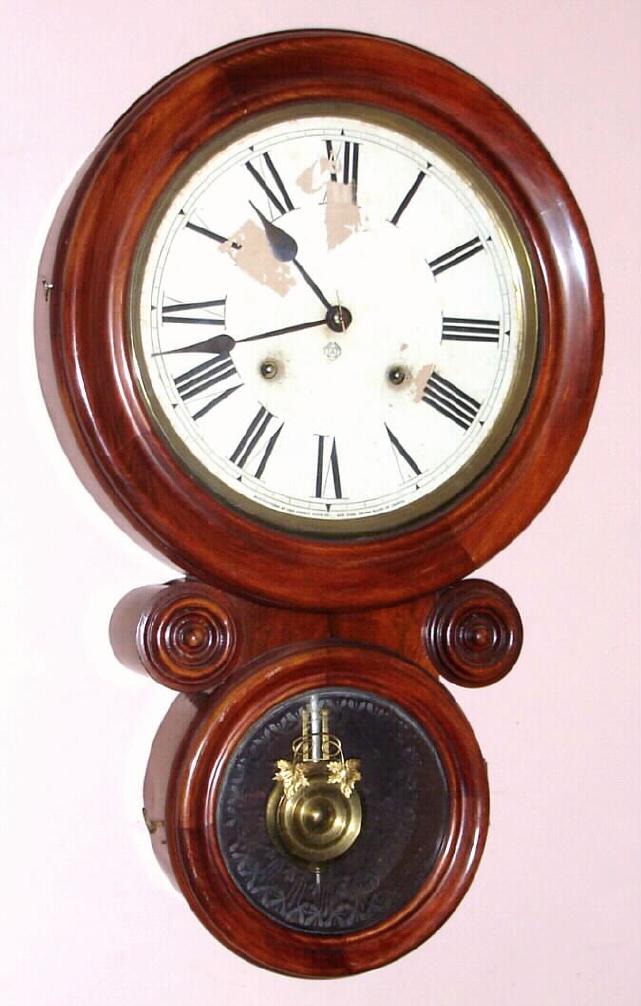
Ansonia Clock Co., “10-Inch Kobe”, Circa 1901, 8-day time/strike wall clock.
refinished rosewood veneered case in clean condition. Although it presents very nicely, the doors were most likely grain painted originally. Original paper dial with damage. Hands and pendulum are original. Original design on the lower glass is nearly worn off. Ht 21.5″
Sold: $161 | Date: 5/15/2010 | Source: R. O. Schmitt Fine Arts
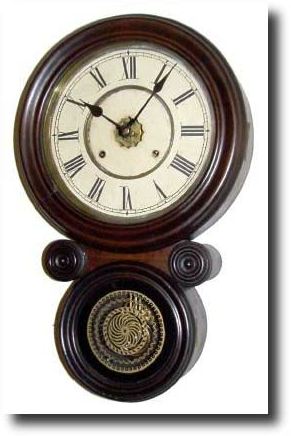
C.1885, Ansonia Clock Co, “KOBE” ionic wall clock,
8-day, as-found. This clock originally had an alarm, which is now missing (see center dial opening). Retains original paper dial (coming loose from the pan). Case refinished; hands and tablet appear to be replacements. Fancy pendulum intact. Runs; height 21″ Worth $550 in perfect condition; reserve on this one $250
Sold: $280 | Date: 5/8/2000 | Source: R.O. Schmitt Fine Arts
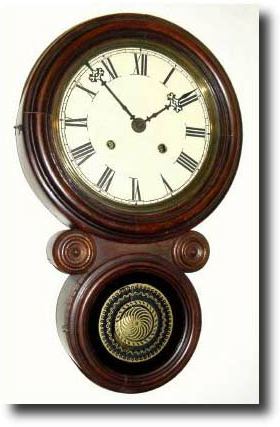
C.1885, Ansonia Clock Co, “KOBE” ionic wall clock, as-found.
This case has been refinished, and the paper dial is new; fancy hands are from another clock; tablet looks old. No label. 8-day time and strike; pendulum is plain (should have grid and leaves). Still a decent decorator and a popular model; height 21 ” Reserve $225
Sold: $300 | Date: 5/8/2000 | Source: R.O. Schmitt Fine Arts
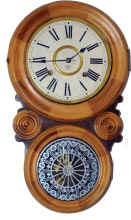
Ansonia Clock Co. “Kobe”, ca 1901.
18.5 inches Mosaic wood case, clean and perfect. Original glasses, pendulum, signed dial. As the name implies this model has an 8 inch dial. They also came in a 10 inch dial mode. The movement is 8 day, half hour and hour strike on a gong. Running of course. Ly-Ansonia #712.
Sold: $763 | Date: June, 2004 | Source: Horton’s Antique Clocks
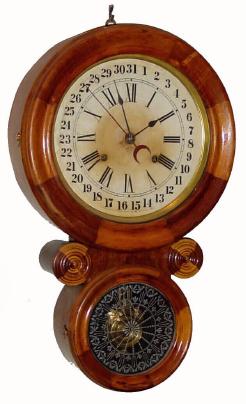
C.1900, Ansonia Clock Co., KOBE, mosaic, in generally good condition, with restoration.
The two tone cherry and mahogany case has been refinished and has some runs; is a bit glossy and could be rubbed down. The best parts are the Super Original dial and original tablet. Height 21.5 inches
Sold: $500 | Date: October 18, 2003 | Source: R. O. Schmitt Fine Arts