About the Ansonia “Hector” Clock
Title: The Ansonia “Hector” Clock Model: A Collector’s Delight
The Ansonia Hector clock, produced by the renowned Ansonia Clock Company between 1897 and 1906, is a fascinating example of American horological artistry. This model belongs to the mantel or shelf category, designed for placement on a flat surface rather than mounted on a wall or standing tall as a floor clock.
The Hector clock’s case is typically crafted from mahogany, with intricate carvings and ornate details that showcase Ansonia’s mastery of design and craftsmanship during the late Victorian era. The clock face features Roman numerals and an elegant bronze bezel, adding to its overall aesthetic appeal.
What makes the Ansonia Hector clock particularly collectible is its combination of style, rarity, and historical significance. With only a limited number produced, finding one in good condition can be quite challenging for antique clock enthusiasts. Notable features include the unique “Hector” figure atop the clock, which lends this model its name, and the high-quality Westminster chime movement that produces a melodious sound when striking the hours.
Moreover, the Ansonia Clock Company’s reputation for producing high-quality timepieces ensures that the Hector clock is not only visually appealing but also mechanically sound. For collectors seeking a blend of beauty, history, and exceptional craftsmanship, the Ansonia Hector clock is an excellent addition to any collection.
Auction Records and Price History
The following 1 auction record(s) show actual sale prices for the Ansonia “Hector” model clock. Prices vary based on condition, originality, and current market demand. Search for more records on AntiqueClocksPriceGuide.com.
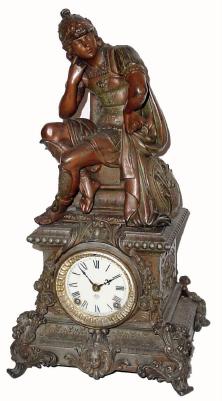
C.1904, Ansonia HECTOR figural clock in good condition,
except for missing wings on his helmet. The original movement is dirty but complete and sound. The finish on the base is somewhat more worn than the finish on the statue, which has nice patina. Height 18 inches
Sold: $350 | Date: October 18, 2003 | Source: R. O. Schmitt Fine Arts