About the Ansonia “Cricket” Clock
Title: Ansonia “Cricket” Clock Model: A Collector’s Guide
The Ansonia “Cricket” clock, produced between the late 1890s and the early 1900s, is a noteworthy mantel clock that has become a staple in antique American clock collecting. This charming timepiece, characterized by its unique novelty design, was manufactured by the renowned Ansonia Clock Company, known for their exceptional craftsmanship and innovative clocks.
Typical case materials for the “Cricket” clock include cast iron with a richly detailed bronze or gilded finish. The clock’s case is designed as a miniature house, complete with shingled roof, chimney, and finely sculpted shutters. This whimsical design, reminiscent of a New England cottage, adds to the clock’s appeal and character.
What makes the Ansonia “Cricket” clock collectible goes beyond its adorable appearance. It is not only an example of superior craftsmanship but also a piece of American industrial history, showcasing the creativity and ingenuity of the Ansonia Clock Company during the late 19th century. Notable features include its distinctive Westminster chime (consisting of four quarter-hour strikes followed by the full hour) and the “cricket” sound produced every 15 seconds, which adds a soothing ambiance to any room.
For collectors seeking unique and charming additions to their antique clock collection, the Ansonia “Cricket” clock is an excellent choice. Its endearing design, historical significance, and distinctive features make it a valuable and beloved part of American clock-making history.
Auction Records and Price History
The following 1 auction record(s) show actual sale prices for the Ansonia “Cricket” model clock. Prices vary based on condition, originality, and current market demand. Search for more records on AntiqueClocksPriceGuide.com.
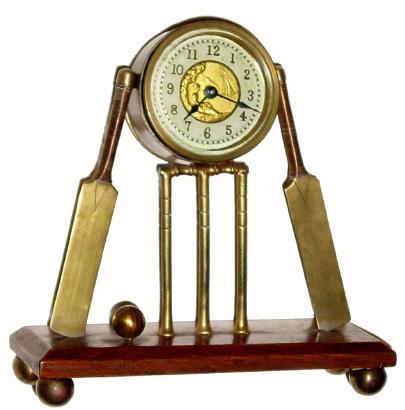
C.1900, Ansonia CRICKET, made for the English market, in good original condition.
There is one small nut missing from underneath, but that can be easily replaced; rest is intact. Height 6 inches
Sold: $200 | Date: October 18, 2003 | Source: R. O. Schmitt Fine Arts