About the Ansonia “Cameo No. 2, No. 3” Clock
Title: Ansonia Cameo No. 2 & No. 3 Clocks – A Collector’s Guide
The Ansonia Cameo No. 2 and No. 3 are renowned mantel clocks produced by the esteemed Ansonia Clock Company between the late 19th and early 20th centuries. These exquisite timepieces, while sharing similarities in design and style, have distinct differences that set them apart.
The Cameo No. 2 and No. 3 are characterized by their ornate cases made primarily of cast iron, brass, and marble. The No. 2 model typically features a rectangular case with a decorative floral motif on the front and sides, while the No. 3 boasts a round case adorned with intricate cameo-style carvings of classical figures or scenes. Both models are crowned by a finely crafted hood and feature a pedestal base that rests on four lion’s paw feet, adding an air of elegance and grandeur.
The Ansonia Cameo No. 2 and No. 3 clocks are highly collectible due to their exceptional craftsmanship, rarity, and historical significance. As part of the Ansonia’s Grand Mantel line, these timepieces exemplify the company’s commitment to producing high-quality, aesthetically pleasing clocks during the Victorian era (1837–1901).
Notable features include their eight-day, weight-driven, time and strike mechanisms, as well as the distinctive chiming sound produced by a bell housed within the clock. The No. 2 model often comes with a separately sold silvered dial, while the No. 3 features a white enamel or black enamel dial with Roman numer
Auction Records and Price History
The following 1 auction record(s) show actual sale prices for the Ansonia “Cameo No. 2, No. 3” model clock. Prices vary based on condition, originality, and current market demand. Search for more records on AntiqueClocksPriceGuide.com.
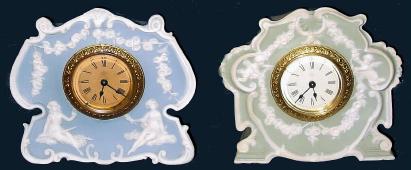
C.1905, Ansonia (Lot of 2) mini Wedgewood Clocks:
1) CAMEO No. 2 in blue, see Ly No. 2448, and 2) CAMEO No. 3 in green, Ly No. 2450 (some small chips along the edges on this second one). Height 5.25″ One bid for both
Sold: $175 | Date: October 18, 2003 | Source: R. O. Schmitt Fine Arts